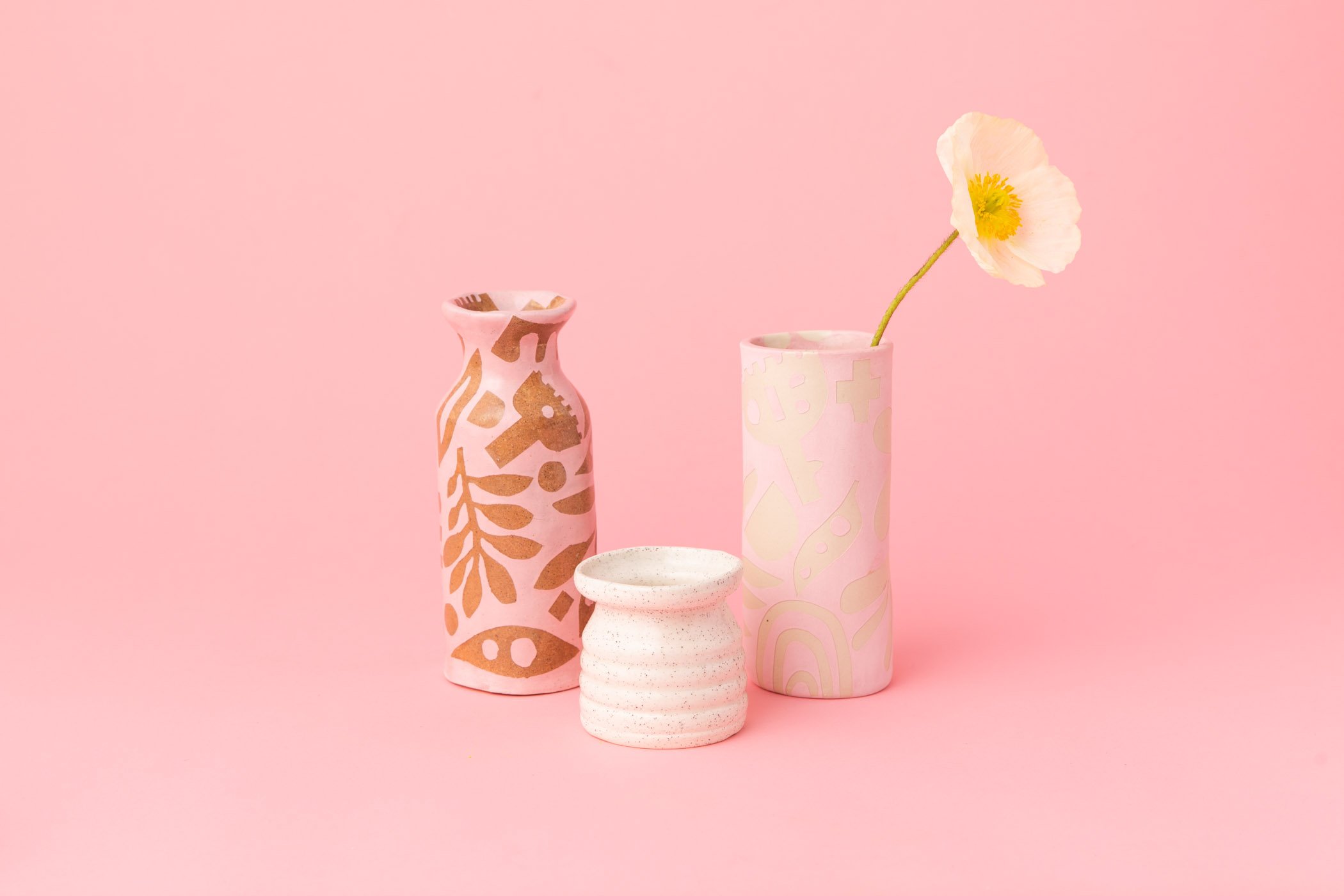
Working with clay is one of humanity’s oldest art forms, yet it remains as relevant and rewarding today as it was thousands of years ago. Ceramic art offers a unique combination of technical skill, creative expression, and tactile satisfaction that attracts artists from all backgrounds. Whether you’re drawn to functional pottery, sculptural work, or experimental ceramic art, the journey to becoming a ceramic artist is both challenging and deeply fulfilling.
Understanding the Ceramic Arts
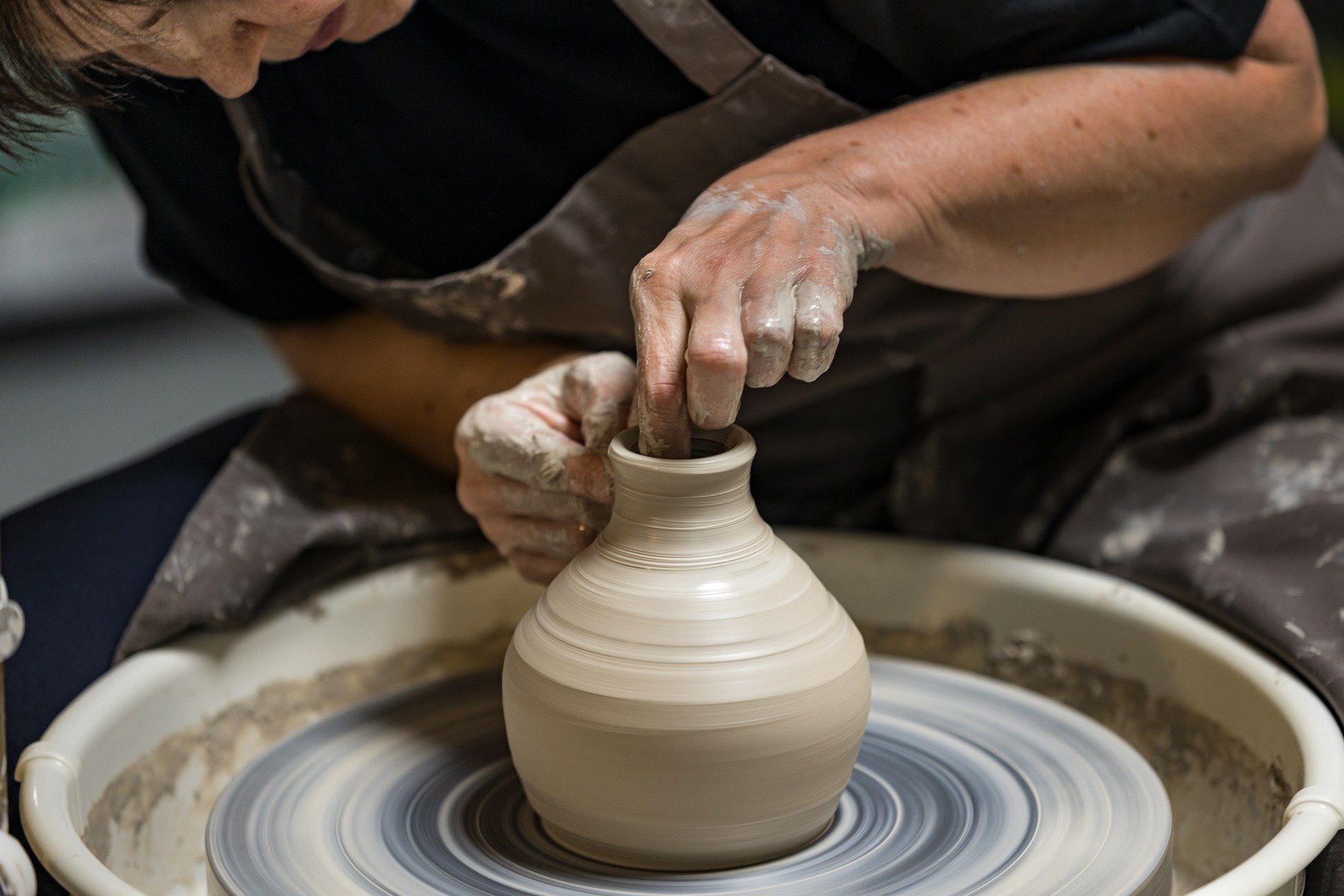
Ceramic art encompasses a broad spectrum of work, from traditional pottery and tableware to contemporary sculptural pieces and installation art. The medium includes earthenware, stoneware, and porcelain, each with distinct properties and firing requirements. Some ceramic artists focus on functional pieces like bowls, mugs, and vases, while others explore purely artistic expression through abstract forms, figurative sculptures, or conceptual installations.
The versatility of clay as a medium allows for countless approaches. You might find yourself drawn to wheel throwing, hand-building techniques like coiling or slab construction, or experimental methods involving alternative firing processes. Many contemporary ceramic artists also incorporate mixed media, combining clay with metal, glass, or organic materials to push the boundaries of traditional ceramics.
Building Your Foundation
Start with Basic Classes
The most practical way to begin is through community college courses, local art centers, or private studios that offer ceramic classes. These environments provide access to kilns, wheels, and other expensive equipment while teaching fundamental techniques. Look for classes that cover basic hand-building methods, wheel throwing, glazing, and firing processes.
Master the Fundamentals
Every ceramic artist needs to understand clay preparation, wedging techniques, and basic forming methods. Wheel throwing requires significant practice to develop the muscle memory and sensitivity needed to center clay and pull consistent walls. Hand-building techniques like pinch pots, coil construction, and slab work offer different approaches to form-making and are often more accessible to beginners.
Understanding glazes and firing is equally crucial. Different clay bodies require specific firing temperatures, and glazes behave differently depending on the clay, firing temperature, and kiln atmosphere. This technical knowledge forms the backbone of successful ceramic work.
Developing Your Skills and Style
Practice Consistently
Ceramic arts demand regular practice. The physical memory required for wheel throwing or hand-building develops slowly and fades without consistent use. Many successful ceramic artists recommend daily practice, even if just for short periods. Keep a sketchbook to document forms, glazing experiments, and ideas for future pieces.
Experiment with Techniques
Once you’ve mastered basic skills, explore different approaches. Try alternative firing methods like pit firing, saggar firing, or raku. Experiment with surface treatments such as slip trailing, sgraffito, or mishima. Each technique offers new possibilities for expression and can help you discover your artistic voice.
Study Historical and Contemporary Work
Understanding ceramic traditions from different cultures provides valuable context and inspiration. Study everything from ancient Greek pottery and Japanese tea ceramics to contemporary artists pushing the medium’s boundaries. Visit museums, galleries, and ceramic exhibitions whenever possible.
Building Your Practice
Setting Up a Studio
Eventually, you’ll want your own workspace. A home studio can start small with basic hand-building tools and access to firing facilities elsewhere. As your practice develops, you might invest in a pottery wheel and eventually a kiln. Consider sharing studio space with other ceramic artists to reduce costs and create a supportive community.
Essential Equipment
Basic tools include clay, various shaping and trimming tools, brushes for glazing, and access to a kiln. A pottery wheel opens up throwing possibilities but isn’t necessary for all ceramic work. Glazes, underglazes, and stains expand your color palette and surface options.
Finding Firing Options
If you don’t have your own kiln, many studios offer firing services. Some ceramic supply stores also provide kiln rental or firing services. Community studios often remain the most economical option for ongoing firing needs.
Professional Development
Education Options
While formal education isn’t required, many ceramic artists benefit from structured learning. Community colleges often offer excellent ceramic programs with well-equipped studios. Bachelor’s and Master’s programs in ceramics or fine arts provide intensive training and exposure to contemporary ceramic practice.
Building a Portfolio
Document your work professionally with good photography. A strong portfolio showcases your technical skills, artistic development, and unique voice. Include process shots and artist statements that explain your approach and intentions.
Networking and Community
Connect with other ceramic artists through workshops, conferences, and social media. Organizations like the National Council on Education for the Ceramic Arts provide networking opportunities and resources. Local ceramic guilds often sponsor sales, exhibitions, and educational events.
Career Paths and Opportunities
Ceramic artists pursue various career paths. Some focus on production pottery, creating functional wares for daily use. Others develop gallery careers, showing sculptural or conceptual ceramic work. Teaching opportunities exist in schools, colleges, and private studios. Many ceramic artists combine multiple approaches, teaching part-time while maintaining their studio practice.
The craft fair and art show circuit provides direct sales opportunities, while online platforms expand market reach. Custom commissions, from architectural installations to personalized tableware, offer another income stream. Some ceramic artists develop product lines for wholesale to retailers.
Overcoming Challenges
Working with clay presents unique challenges. Technical failures are common and can be discouraging, but they’re also valuable learning experiences. Pieces crack, glazes don’t turn out as expected, and kilns sometimes malfunction. Developing resilience and learning from failures is essential to long-term success.
The physical demands of ceramic work, particularly wheel throwing, can cause strain injuries. Learning proper posture and taking regular breaks helps prevent repetitive stress problems. The dust from dry clay poses respiratory risks, making proper ventilation and safety equipment important considerations.
The Rewards of Ceramic Art
Despite the challenges, ceramic art offers unique satisfactions. The transformation of humble clay into beautiful, functional, or expressive objects feels almost magical. Working with your hands provides a counterbalance to our increasingly digital world, offering tactile engagement and mindful focus.
The ceramic community tends to be generous and supportive, sharing knowledge and celebrating each other’s successes. Many ceramic artists find deep satisfaction in creating objects that people use daily or that express ideas and emotions in three-dimensional form.
Taking the First Step
Becoming a ceramic artist is a journey that begins with a single class or workshop. Don’t worry about having natural talent or artistic background – enthusiasm and willingness to learn matter more than initial skill level. Start by finding a local class or workshop and experiencing the joy of working with clay firsthand.
The path to becoming a ceramic artist combines technical mastery with creative exploration, requiring patience, practice, and persistence. But for those drawn to this ancient yet endlessly contemporary medium, the journey offers rewards that extend far beyond the finished pieces themselves. The process of learning to work with clay teaches lessons about patience, acceptance, and the beauty found in imperfection – qualities that enrich not just your art, but your entire approach to life.