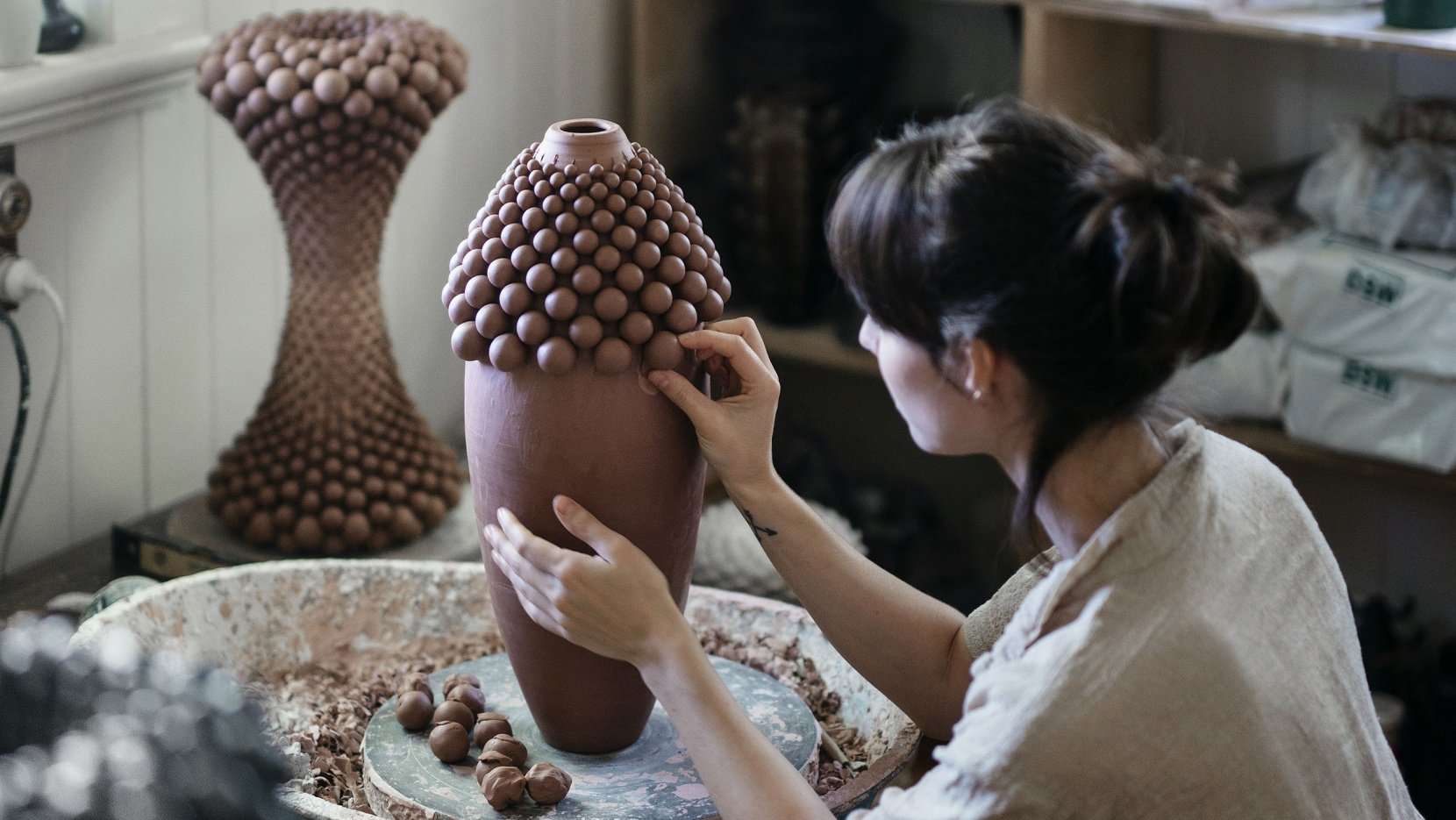
A ceramic artist is a creative professional who specializes in creating art objects, functional items, or decorative pieces using clay and other ceramic materials. These artists transform raw earth into expressive works through the ancient yet ever-evolving medium of ceramics, combining technical skill with artistic vision to produce pieces that range from purely aesthetic sculptures to beautifully crafted functional pottery.
The Art of Working with Clay
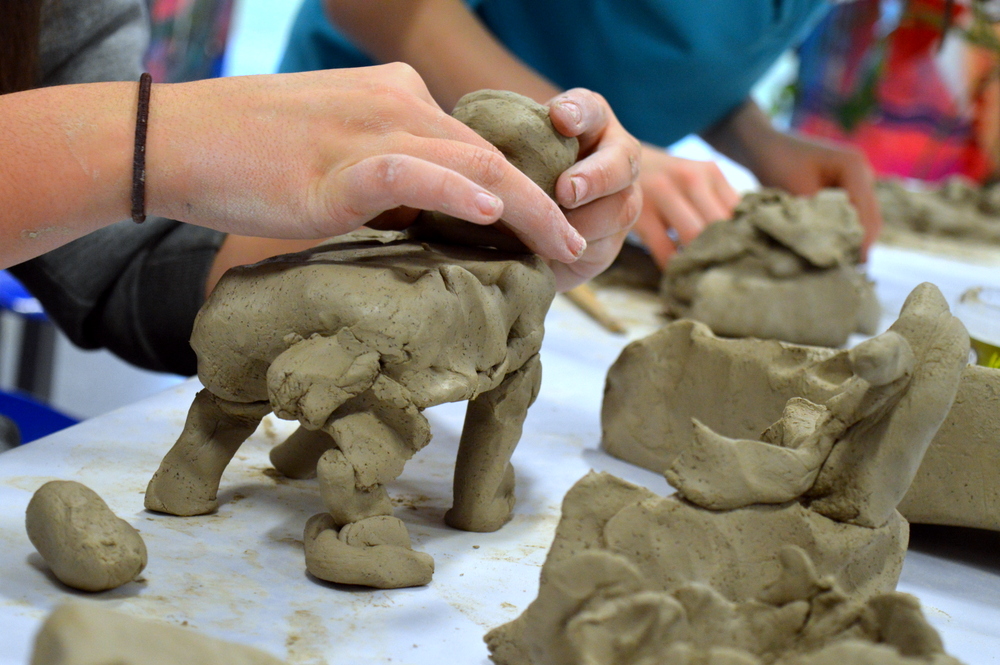
Ceramic artists work primarily with clay, a malleable material composed of fine-grained minerals that becomes permanently hardened when fired at high temperatures. The process begins with preparing the clay, which may involve wedging (kneading to remove air bubbles) and centering the material before shaping begins. Artists employ various techniques including hand-building methods like pinching, coiling, and slab construction, or wheel throwing, where clay is shaped on a rotating potter’s wheel.
The transformation from soft clay to finished ceramic piece involves multiple stages. After initial shaping, pieces must dry slowly to prevent cracking, then undergo a first firing called bisque firing, which hardens the clay into a porous ceramic state. Artists then apply glazes—liquid glass coatings that provide color, texture, and often waterproofing—before a final glaze firing that melts the glaze into a smooth, glass-like surface.
Diverse Artistic Expressions
Contemporary ceramic artists work across a broad spectrum of artistic expressions. Some focus on functional pottery, creating bowls, plates, mugs, and vases that serve practical purposes while maintaining aesthetic appeal. Others pursue purely sculptural work, crafting large-scale installations, figurative pieces, or abstract forms that explore themes ranging from nature and identity to social commentary and political expression.
Many ceramic artists blur the lines between function and art, creating pieces that challenge traditional categories. A ceramic artist might craft a teapot that serves tea perfectly but also functions as a sculptural statement about domesticity, or create tiles that serve architectural purposes while telling visual stories through their imagery and glazing.
Technical Mastery and Creative Innovation

Working as a ceramic artist requires mastering complex technical knowledge alongside developing artistic vision. Artists must understand clay chemistry, firing temperatures, glaze formulations, and kiln operation. Different clay bodies behave differently during forming and firing, and artists often spend years developing their understanding of how various materials interact under different conditions.
The firing process itself is both science and art. Ceramic artists must control temperature, atmosphere, and timing to achieve desired results. Some work with electric kilns for precise temperature control, while others prefer gas kilns that create varied atmospheric effects, or even build their own wood-fired kilns for unique surface treatments that can only be achieved through this traditional firing method.
Professional Pathways and Career Development
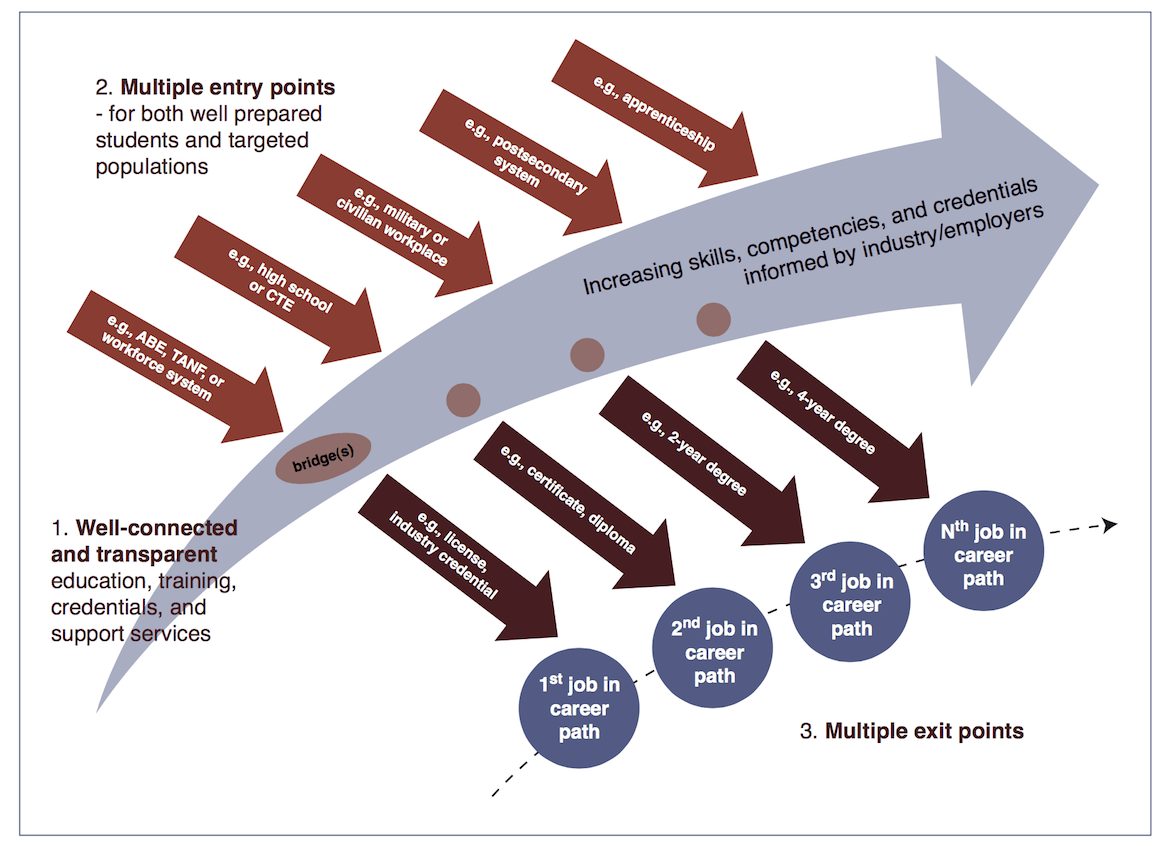
Ceramic artists pursue various professional paths depending on their interests and goals. Many maintain independent studios where they create original work for galleries, art fairs, and private collectors. Others focus on functional pottery, selling their work through craft shows, online platforms, or their own retail spaces. Some ceramic artists teach in educational institutions, from community art centers to universities, combining their practice with instruction.
The field also offers opportunities in commercial applications, where ceramic artists might design pieces for mass production, work with architectural firms on large-scale installations, or create custom work for restaurants and hospitality businesses. Some artists specialize in restoration work, using their technical knowledge to repair and conserve historical ceramic pieces.
Cultural and Historical Significance
Ceramic art represents one of humanity’s oldest artistic traditions, with examples dating back over 20,000 years. Contemporary ceramic artists work within this rich historical context while pushing the medium into new territories. They draw inspiration from diverse ceramic traditions worldwide, from Japanese tea ceremony aesthetics to Native American pottery techniques, while incorporating modern materials and contemporary artistic concepts.
The field continues to evolve as artists experiment with new technologies, alternative firing methods, and interdisciplinary approaches that combine ceramics with digital media, performance art, or environmental installations. This ongoing innovation ensures that ceramic art remains a vital and dynamic field within contemporary art practice.
The Ceramic Artist’s Journey
Becoming a ceramic artist typically involves formal education in art or crafts programs, though many successful artists are also self-taught or learn through apprenticeships and workshops. The learning process is highly tactile and experiential, requiring countless hours of practice to develop the muscle memory and intuitive understanding necessary for successful ceramic work.
Ceramic artists often describe their relationship with clay as collaborative rather than controlling, learning to work with the material’s natural properties rather than against them. This partnership between artist and medium creates a unique creative process where unexpected results can lead to breakthrough discoveries and artistic growth.
The ceramic artist’s role encompasses technical craftsperson, creative visionary, and cultural interpreter, contributing to both artistic dialogue and practical human needs through the timeless medium of fired clay.